Egal ob Sommerurlaub, Familienfeier oder die Weihnachtstage, am Ende ist so manche Speicherkarte prall gefüllt mit Fotos, der ideale Zeitpunkt um mit kostenlosen Bilderdiensten und gratis Fotoentwicklung einiges an Geld zu sparen.
Aktuell gibt es folgende Aktionen: Update 18.12.2022 – Die Aktionen wurden verlängert
30% Rabatt bei Smartphoto, alle Neukunden erhalten 30% auf alle Fotobücher, Fotogeschenke, Leinwände sowie Poster und Grusskarten. Zusätzlich erfolgt der Versand ab 40€ Bestellwert gratis. Perfekt für alle, die jetzt schon mal an Weihnachten denken. Bewertung bei Trusted Shops: Sehr gut (4,7/5). Ein spezieller Code wird nicht benötigt.
75 Gratis Fotos bei Pixum, nur für kurze Zeit. Die Aktion gilt nur für Neukunden und Abzüge im 10cm Format (in der Regel 10×15), gültig bis 31.03.2023. Der Gutscheincode wird auf der Anbieterseite angezeigt, einfach kopieren. Es fallen lediglich Versandkosten und 0,99€ Bearbeitungsgebühr an.
50 Gratis Fotos bei Pixum, die Aktion gilt nur für Neukunden und Abzüge im 10cm Format, gültig bis 31.03.2023. Der Gutscheincode wird auf der Anbieterseite angezeigt, einfach kopieren. Es fallen lediglich Versandkosten und 0,99€ Bearbeitungsgebühr an. Ideal für alle, denen die 75 Bilder Aktion zu früh endet.
20 Gratis Fotos bei Snapfish (Angebot pausiert), nur für kurze Zeit. Man zahlt nur 0,99€ Versand, nur für Neukunden und Abzüge im 10cm Format. Nach Auslaufen wird die Aktion auf 30 Fotos für 0,99€ inklusive Versand umgestellt. Keine Gutschein Eingabe nötig, Link benutzen.
1 Gratis Fotoposter bei Pixum, nur für Neukunden und nur in den Format 40x30cm oder 45x30cm. Der Gutscheincode wird auf der Anbieterseite angezeigt, einfach kopieren. Es fallen lediglich Versandkosten und 0,99€ Bearbeitungsgebühr an. Wer noch kein Neukunde ist, spart aber mit den 75 bzw. 50 Gratisbildern einiges mehr, meiner Meinung nach ist diese Aktion nur zweite Wahl.
Wer sich bereits bei allen Diensten angemeldet hat, kommt aber auch nicht zu kurz, denn immerhin gibt es noch folgende Sonderaktion:
100 Fotos ab 10,99€ inklusive Versand und Bearbeitung, ebenfall bei Pixum. Nur ein Gutschein pro Bestellung, kein Aufteilung möglich, gültig bis 31.03.2023. Diese Aktion richtet sich v.a. an Bestandskunden. Der Gutscheincode wird auf der Anbieterseite angezeigt, einfach kopieren.
Wichtig: Die Gutscheine bzw. Gratisangebote können zwar nicht beim gleichen Anbieter kombiniert werden, zusammen genommen könnte man als Neukunde aber bis zu 130 Gratisbilder abstauben!
Gibt es bei den gratis Fotos einen Haken oder schlechtere Qualität?
Immer wieder erreichen uns eMails mit der Frage, wieso große Bilderdienste ihren Neukunden überhaupt kostenlose Abzüge digitaler Bilder anbieten und ob die Qualität die gleiche wie bei ohne Gutscheincode bestellten und regulär bezahlten Fotos ist:
1. Warum?
Die entsprechenden Entwicklungsservices denken langfristig. Anfangs drauflegen, wenn der Kunde Stammkunde wird und eventuell noch andere Produkte wie Fotobücher und ähnliches bestellt, geht die Rechnung auf. Auch der Werbeeffektist nicht zu verachten, denn wo es etwas gratis gibt, ist die Resonanz natürlich entsprechend hoch. Versteckte Fallen gibt es aber nicht, wie mancher vielleicht vermutet. Einige Anbieter verlagen lediglich, daß der Kunde die Versandkosten plus eine minimale Bearbeitungspauschale zahlt.
2. Wie ist die Qualität?
Die Qualität entspricht genau dem, was ein zahlender Kunde bekommt. Die einzige Einschränkung ist, daß die Gratisbilder in der Regel nur im 10cm Format (bei vielen üblichen Bildauflösungen im Ergebnis dann 10x15cm) angeboten werden. Größere Fotos, andere Papiere als das normale Premiumpapier und meist auch seidenmatt statt glänzend, gibt es nicht umsonst. Angesichts der Tatsache, daß 10cm aber die bei weitem am meisten verbreitete und gewünschte Größe ist, kann man diesen gewissen Mangel an Wahlmöglichkeiten leicht verschmerzen.
Gibt es auch kostenlose Fotobücher oder zumindest Rabatte?
Die Fotobücher von Pixum sind bekannt für ihre Qualität und wurden z.B. in Ausgabe 2/2011 der Zeitschrift Foto Video zu Recht als Testsieger gekürt. Für alle die noch nie ein Fotobuch in der Hand hatten: Es ist wie ein Fotoalbum, man spart sich aber das eher lästige einkleben oder anbringen von Fotoecken. Bilder hochladen, Fotobuch gestalten, drucken lassen, fertig. Die Gestaltungsmöglichkeiten gehen weit über das hinaus, was man von einem normalen Fotoalbum kennt, der eigenen Kreativität sind kaum Grenzen gesetzt.
Gerade zu Weihnachten oder zu besonderen Anlässen wie Verlobung oder Hochzeit (Tipp) ein wirklich schönes und individuelles Geschenk, aber auch für die eigenen Urlaubsfotos. Auf der Festplatte sind die Bilder zwar sicher, aber wenn man ehrlich ist, schaut sie sich dann kaum mehr jemand an. Man hat sie archiviert, aber das wars. Gleiches gilt fürs Handy, wer möchte schon sein iPhone herumreichen um der Familie die Erlebnisse des letzten Urlaubs nahe zu bringen.
Aktuell gibt Pixum 10€* Rabatt auf alle Fotobücher, leider nur für Neukunden und 1x pro Haushalt, dafür aber schon ab einem Warenwert von 10€. Was leider nicht wegfällt sind die Versandkosten in Höhe von 4,99€*, damit das Fotobuch auch sicher und stabil verpackt ankommt. Der benötige Gutscheincode wird direkt nach Klick auf die Angebotsseite angezeigt.
Digitaler Bilderrahmen als Alternative zur Fotoentwicklung
Auch wenn die Angebote für gratis Fotoabzüge verlockend sind, das Einkleben der entwickelten Gratisbilder nimmt einem niemand ab. Wer die Fotos seiner Lieben trotzdem jederzeit griffbereit haben will, etwa auf dem Schreibtisch im Büro, kann auch zu einer anderen Alternative greifen, dem digitalen Bilderrahmen.
Eigentlich nichts anderes als ein kleiner Monitor mit eingebautem Speicherkartenleser, wirkt der digitale Bilderrahmen wie das klassische Modell, mit dem Unterschied, daß man die Fotos z.B. als Slideshow durchlaufen lassen kann und ihn sogar per Fernbedienung steuern kann.
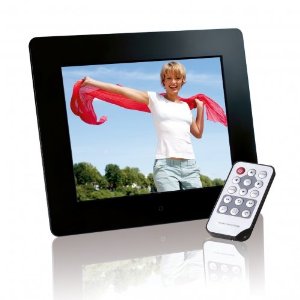
Empfehlenswert ist beispielweise der Intenso Photobase, der schon für knapp über 40€* erhältlich ist. Auflösung 800×600 Pixel, 8 Zoll (entspricht 20,3cm) Display, 4:3 und 16:9 Bildformat, 4 in 1 Kartenleser plus USB, viele schöne Effekt- und Einstellungsoptionen wie der Kalenderfunktion. Absolut lautlos und dank des schlichten schwarzen Rahmens passt er auf wirklich jeden Schreibtisch. Macht sich auch wunderbar als Geschenk!
Wo bekomme ich lizenzfreie Bilder für die eigene Webseite?
Da Bilder und Fotos, auch wenn sie im Internet öffentlich zugänglich sind, grundsätzlich dem Urheberrecht (oft auch Copyright genannt) unterliegen, ist es wichtig, nur auch Bilder zurückzugreifen, für die man auch die entsprechenden Nutzungsrechte hat. Der Einkauf exklusiven Bildmaterials, etwa über einen Fotografen oder eine Bildagentur, ist dabei eine gute, allerdings auch sehr kostspielige Möglichkeit. Nicht selten kostet ein einzelnes Bild dann mehrere hundert Euro. Für den durchschnittlichen Webseitenbetreiber oder Designer sind das erhebliche Kosten, die in keinem Verhältnis zum Nutzen stehen.
Alternativ kann man aber auch auf gratis Bilder einer professionellen Stockfoto Agentur zurückgreifen. Über diese erwirbt man nicht die exklusiven Nutzungsrechte für einzelne Bilder, sondern ist nur ein Lizenznehmer unter vielen, was die Kosten erheblich senkt. Teilweise gibt es auch Anbieter die hier gleich praktische Abonnements anbieten. Die Agentur ist eine Art Marktplatz, die Verkäufer und Käufer von Bildern zusammenführt und quasi als Mittelsmann die Abwicklung und Lizensierung zu festen Bedingungen übernimmt. Die Nutzungsrechte die man erwirbt sind in der Regel sehr kundenfreundlich, eine genaue Lektüre der Lizenzbestimmungen sind aber trotzdem anzuraten, denn oft gibt es mehrere Lizensierungsmodelle, je nachdem ob die Bilder nur auf der eigenen Internetseite genutzt werden sollen, oder z.B. geplant ist, sie für die Erstellung von Templates für Dritte zu nutzen.
Ein Beispiel wären etwa Stockfotos von Depositphotos.com, hier sind Stockfotos, Illustrationen und sogar Vektorgrafiken zu sehr fairen Bedingungen und schon unter einem halben Euro lizensierbar, selbst Fotos in Profigrößen für Designer sind günstig zu haben. Die Website ist komplett in deutsch verfügbar und bietet neben den gängigen Kreditkarten zusätzlich Paypal und SMS als Zahlungsmethoden an, was die Plattform auch für deutsche Nutzer sehr attraktiv macht.
Die Auswahl an Bildern ist groß, übersichtlich aufgeteilt in Kategorien und mit Suchfunktion. Egal ob Button für den Warenkorb oder Bild für eine Headergrafik, im Pool von hundertausenden von Fotos findet jeder schnell und unkompliziert genau das benötigte Foto.
Komplett kostenfreie Bilder für die eigene Webseite gibt es auch, etwa bei Wikimedia Commons, Pixabay oder auf Flickr. Teils sogar mit einer CC0 Lizenz, gleichbedeutend mit dem was gemeinhin als „Public Domain“ bekannt ist. Dabei ist aber erhöhte Vorsicht geboten, denn die kostenlosen Bilderbörsen ziehen leider auch Teilnehmer an, die gar nicht Urheber der angebotenen Bilder sind. Auch wenn man sich sicher bemüht, diese schwarzen Schafe auszusortieren, ist das Risiko eine teure Abmahnung zu kassieren bei diesen Quellen unserer persönlichen Meinung nach etwas höher als bei den Stockphoto Börsen.
Im Rahmen von Affiliateprogrammen stellen die entsprechenden Anbieter oder Webseiten auch oft kostenloses Bildmaterial, das im Rahmen der Partnerschaft verwendet werden darf, meist aber nur direkt zur Bewerbung, nicht zur allgemeinen Gestaltung der Webseite, und nur so lange, wie die Partnerschaft besteht.
Generell gilt: Immer sehr genau die Lizenzbedingungen lesen, insbesondere die Art und Weise in der ein Bildquellennachweis und Verweis auf den Urheber erfolgen muß. Dieses Detail ist eine der häufigsten Ursachen für rechtliche Probleme mit Bildern auf Webseiten.
Wo kann ich Fotos auf Leinwand drucken lassen?
Fotogeschenke liegen klar im Trend, neben fertig gedruckten Alben, Fotobüchern und Postern gibt es seit einiger Zeit etwas Neues, nämlich den Fotodruck auf Leinwand im Holzkeilrahmen. Sieht sehr hochwertig aus und benötigt anders als Poster auf keinen zusätzlichen Bilderrahmen, um einem Platz im Wohnzimmer würdig zu sein.
Aktuell bietet MeinFoto.de diese Abzüge auf Leinwand schon ab 5€* an, in der Ausgabe 1/2012 von der rennomierten zeitschrift „Digital photo“ gab es dafür neben einer Bewertung mit „Sehr Gut“ auch gleich noch ein „Preistipp“ Siegel dazu. Beim Internetportal Getestet errang der Anbieter gleich den Testsieg.
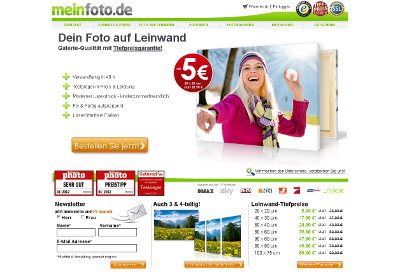
Preis und Qualität stimmen also, wer seine Lieben gerne per Latexdruck auf Leinwand bannen möchte, liegt hier richtig. Bei Mein Foto kommen ausschließlich hochwertige Farben von HP zum Einsatz, lösemittelfrei und trotzdem sehr robust, also auch für das Kinderzimmer geeignet.
Wo finde ich gute Literatur zum Thema digitale Fotografie?
Aller Anfang ist schwer und auch bei der digitalen Fotografie ist das nicht anders. Man ist mit den vielen Einstellungen der Kamera überfordert und Weißabgleich oder Belichtungszeit sind bömische Dörfer. Nicht schlimm, viele Kameras haben relativ gute Automatikprogramme und nicht gelungene Bilder kann man auch im Dutzend leicht löschen.
Trotzdem ist es ärgerlich, wenn die Fotos vom Weihnachtsfest mit der Familie, den ersten Schritten des Kindes oder einfach nur aus dem Urlaub unschärfer sind als auf dem kleinen LCD Monitor der Kamera sichtbar.
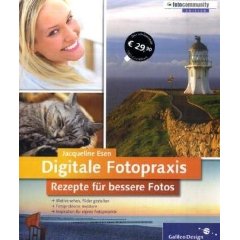
Genau hier setzt Digitale Fotopraxis von Jacqueline Esen an. Schon der Untertitel „Rezepte für bessere Fotos: Einfach besser fotografieren – Motive gekonnt umsetzen“ zeigt worum geht: Einfache Anleitungen und Erklärungen, wie man unkompliziert bessere Resultate erzielt. Das Buch ist bereits etwas älter, dennoch weiterhin als Referenz zu sehen, gerade für Anfänger die ein leicht verständliches Werk ohne zuviele komplexe technische Details suchen.
Alle Preise wurden zum Entstehungszeitpunkt des Artikels ermittelt, die Preise können abweichen. Alle Preise verstehen sich inklusive MwSt. und zzgl. möglicher Versandkosten. Die Preis- und Verfügbarkeitsangaben, die auf der Händlerseite zum Zeitpunkt des Kaufs angezeigt werden, gelten für den Verkauf dieses Produktes. Irrtümer, Schreibfehler und Änderungen vorbehalten.